
Skin Cancer Signs Every Australian Should Know
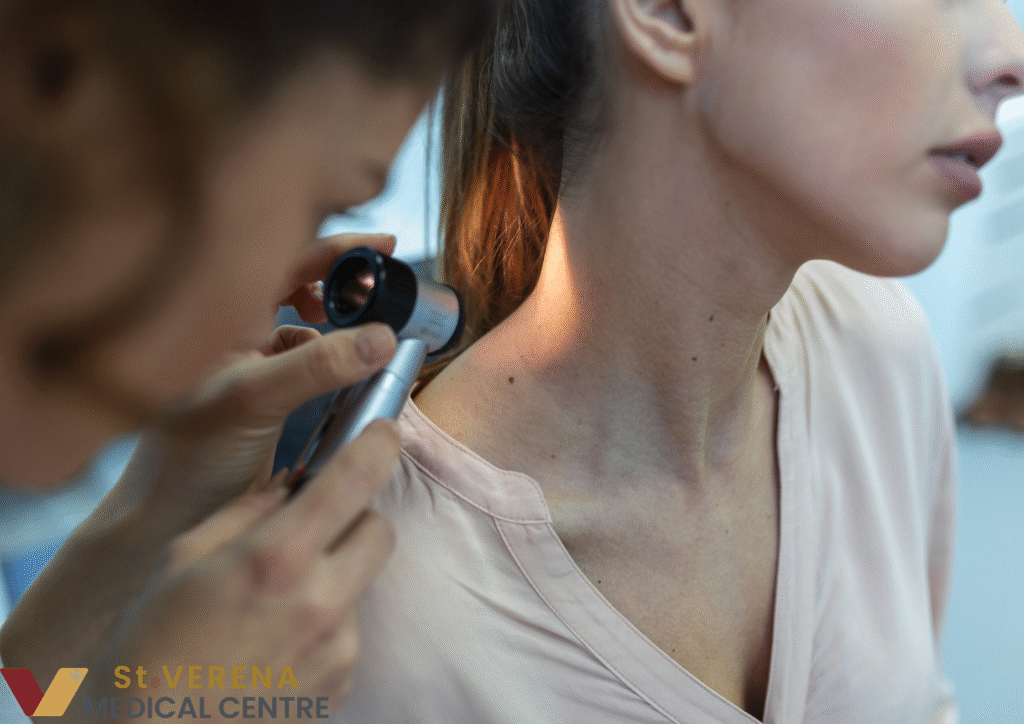
Australia has one of the highest rates of skin cancer in the world. With our strong UV exposure, beach lifestyle, and outdoor culture, skin cancer awareness isn’t just important — it’s essential. Knowing what to look for and acting early can make a significant difference to outcomes.
Skin cancer can affect people of all ages and skin types, and it doesn’t always look the same. That’s why understanding the warning signs is a key part of protecting your long-term health.
Why Skin Cancer Is So Common in Australia
Australia’s climate means UV radiation levels are high for much of the year. Even on cooler or cloudy days, UV exposure can damage the skin. Repeated sunburns, especially during childhood, increase the risk of developing skin cancer later in life.
While sunscreen and protective clothing help reduce risk, regular skin awareness and professional checks remain crucial.
Common Types of Skin Cancer
The three most common types of skin cancer seen in Australia include:
- Basal Cell Carcinoma (BCC) – often slow-growing but still requires treatment
- Squamous Cell Carcinoma (SCC) – can spread if left untreated
- Melanoma – the most dangerous form, but highly treatable when detected early
Each type can look different, which is why any new or changing skin spot should be taken seriously.
Key Skin Cancer Warning Signs to Watch For
1. New Spots or Moles
A new mole or skin spot that appears after the age of 30 should always be checked, especially if it looks different from others on your body.
2. Changes in Existing Moles
Watch for changes in size, shape, colour, or texture. A mole that becomes uneven, darker, raised, or starts itching or bleeding may be a concern.
3. The ABCDE Rule
A simple way to assess moles:
A – Asymmetry: one half doesn’t match the other
B – Border: irregular or blurred edges
C – Colour: uneven shades or multiple colours
D – Diameter: larger than 6mm
E – Evolving: any change over time
4. Non-Healing Sores
A sore or scab that doesn’t heal within a few weeks, or keeps coming back, may indicate skin cancer.
5. Red, Scaly or Crusty Patches
Persistent rough or scaly areas, especially on sun-exposed skin like the face, ears, arms, or legs, should be assessed.
Who Is Most at Risk?
While anyone can develop skin cancer, risk is higher if you:
- Have fair skin or freckles
- Have a history of sunburns
- Spend a lot of time outdoors
- Have a family history of skin cancer
- Have many moles or unusual-looking moles
That said, skin cancer can still occur in people without obvious risk factors, making regular checks important for everyone.
When Should You Get a Skin Check?
If you notice anything new, changing, or unusual on your skin, it’s best not to wait. Early detection greatly improves treatment outcomes. Even without visible changes, routine skin checks are recommended, particularly for adults living in Australia.
A medical professional can assess your skin thoroughly and determine whether further investigation or treatment is needed.
Staying Sun-Safe in Australia
Being familiar with your own skin is one of the most effective ways to detect potential skin cancer early. Regular self-checks, sun protection, and professional skin assessments all play an important role in maintaining skin health.
If you’re looking for a Mount Martha GP, a Mount Martha Doctor, or a trusted Mount Martha Medical Centre, and have been searching for a Mount Martha GP near me, St Verena Medical Centre offers professional skin assessments and ongoing care to support your health.
